
How to Wake Up Early Without an Alarm Guide and tips
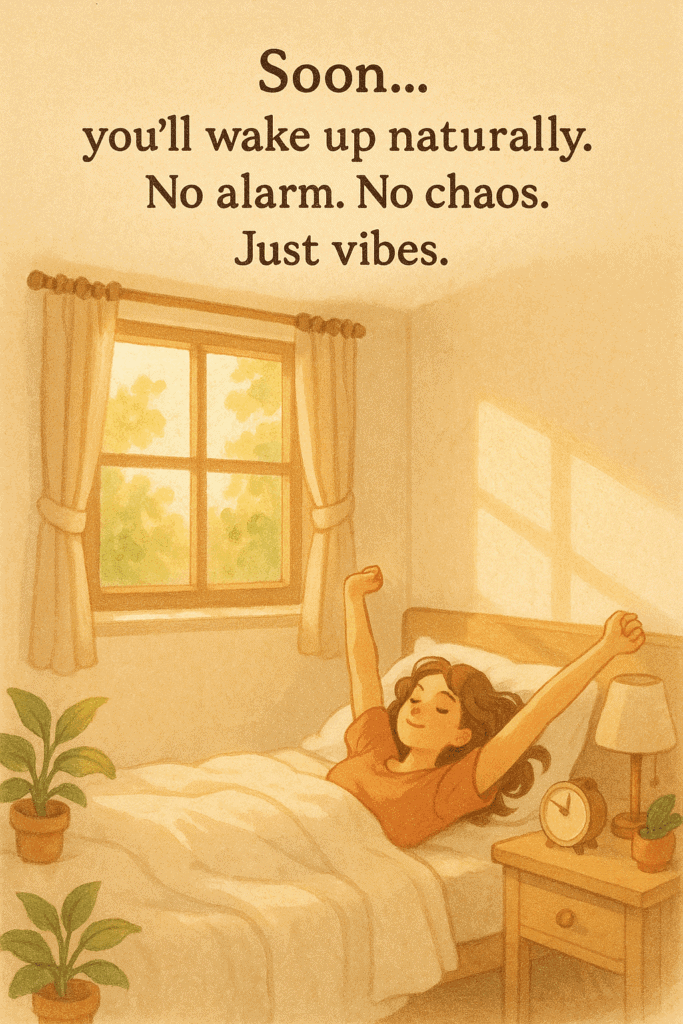
Do you dream of waking up early without the blaring sound of an alarm clock? Imagine starting your day peacefully, naturally, and full of energy — no chaos, no snooze buttons. It’s not only possible but also healthier for your mind and body. In this guide, we’ll reveal proven techniques to wake up early without an alarm and train your body to rise like clockwork.
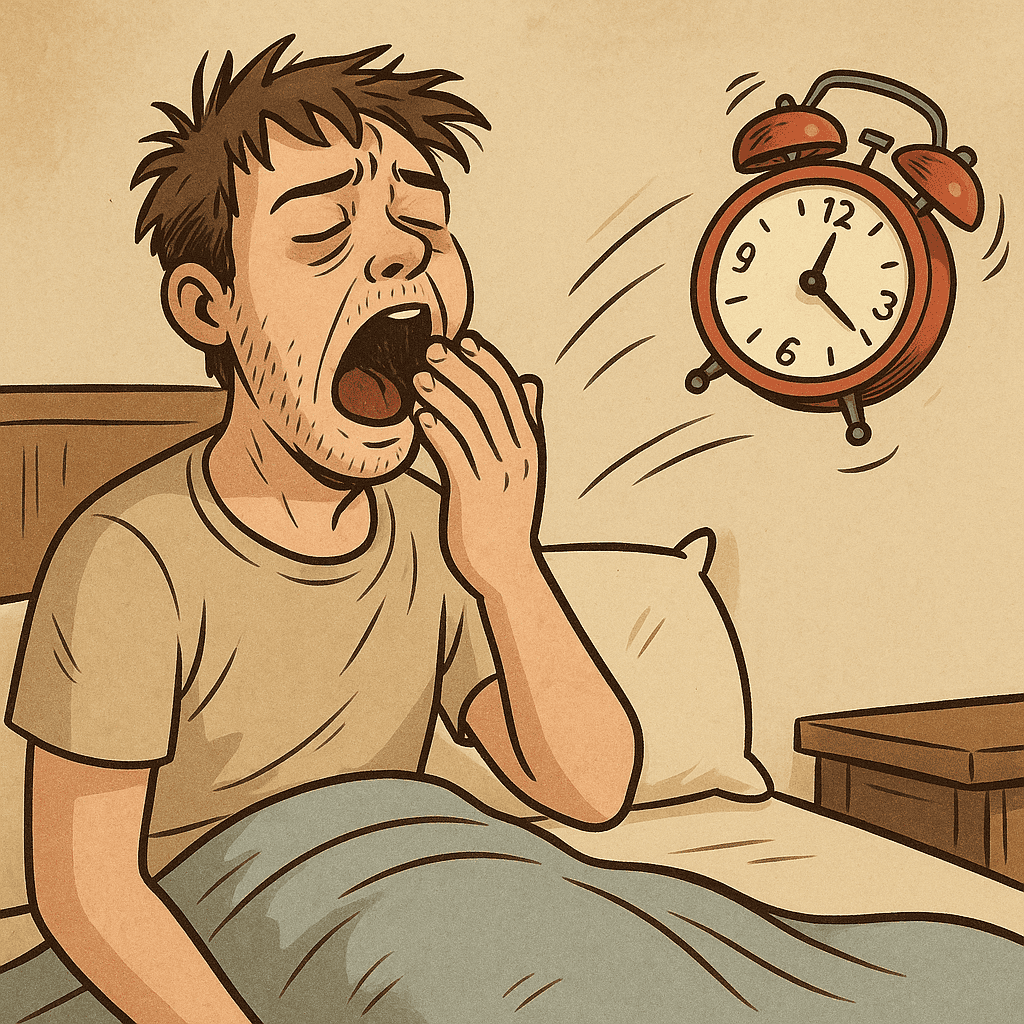
Let’s ditch the alarm and upgrade your mornings — permanently.
🔥 Why Waking Up Without an Alarm Is Better for You
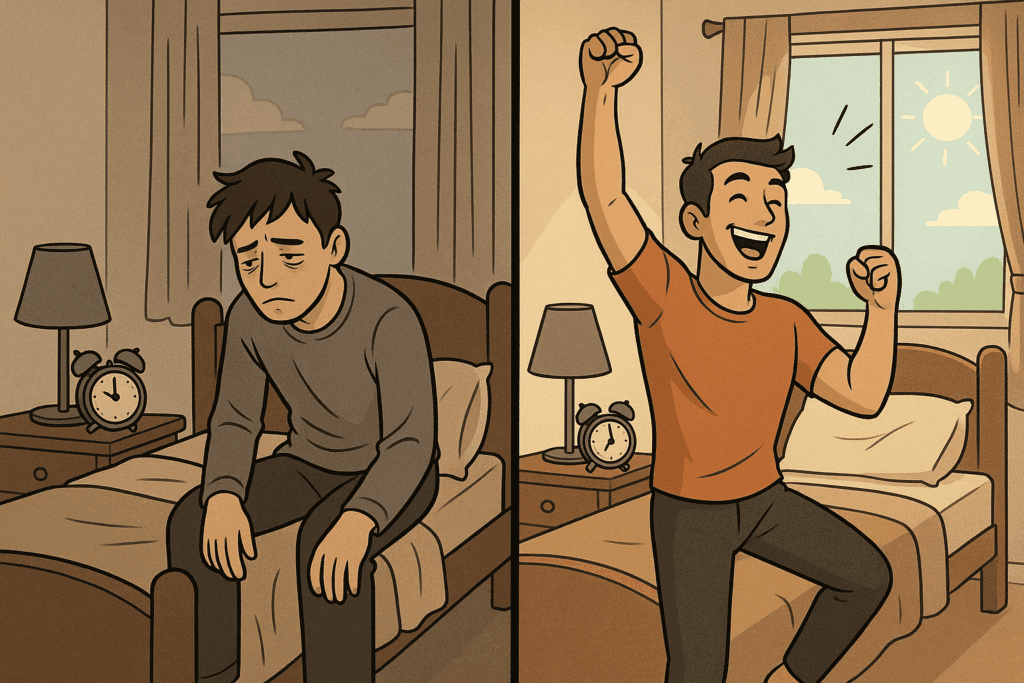
Alarms are disruptive. They jolt you awake, often during your deepest sleep phase (REM), causing:
- Grogginess (a.k.a. sleep inertia)
- Mood swings
- Reduced mental clarity
- Interrupted circadian rhythms
By learning how to wake up naturally, you align with your body’s internal clock — your circadian rhythm — which boosts your focus, energy, and even longevity.
⏰ Step-by-Step: How to Wake Up Early Without an Alarm
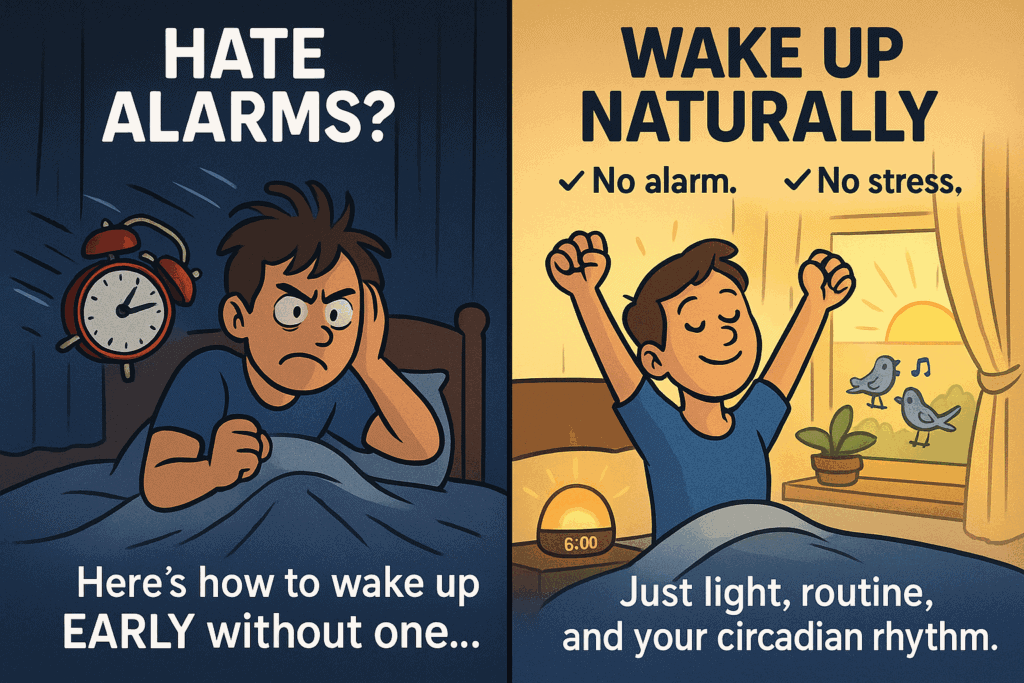
1. Fix Your Sleep Schedule (Go to Bed and Wake Up at the Same Time)
Consistency is king. Your body thrives on routine.
🛏️ What to do:
- Choose a consistent bedtime and wake-up time (even on weekends).
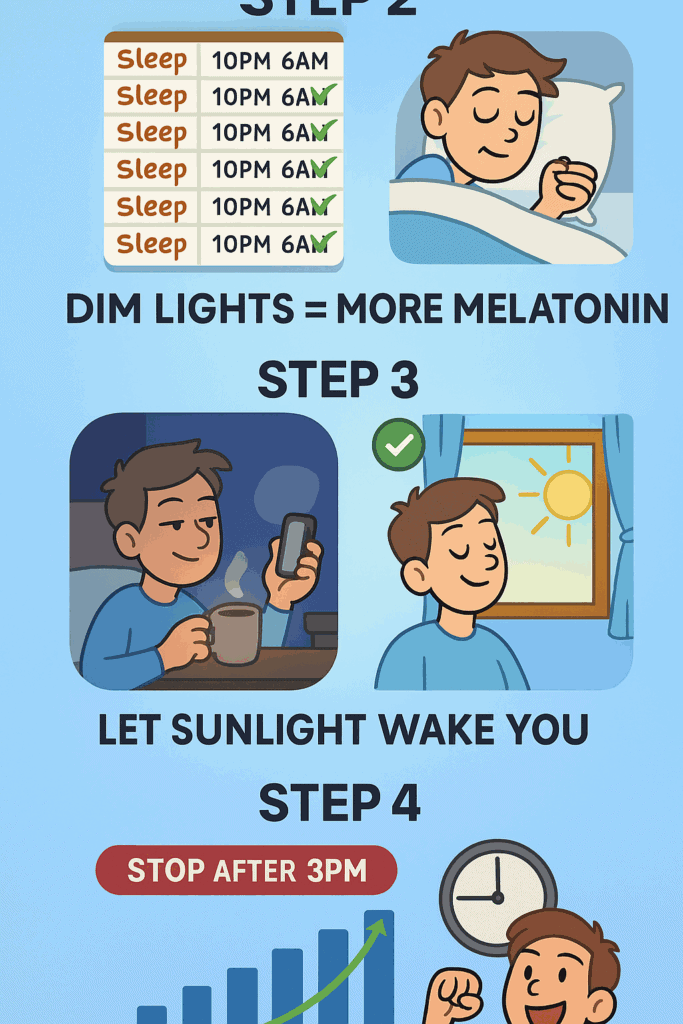
- Stick to this schedule for at least 7–10 days.
📈 Why it works:
Your internal body clock (circadian rhythm) starts syncing. After a few days, you’ll naturally start waking up at your target time — no alarm needed.
2. Dim the Lights 1 Hour Before Bed
Light is one of the strongest signals to your brain that it’s time to be awake.
💡 How to do it:
- Turn off bright lights and screens at least 60 minutes before bed.
- Use warm-toned lamps or a blue light filter.
🌙 Pro tip:
Try “night mode” on your phone or install f.lux on your laptop.
📚 Why it works:
Reducing light boosts melatonin production, the hormone that makes you sleepy.
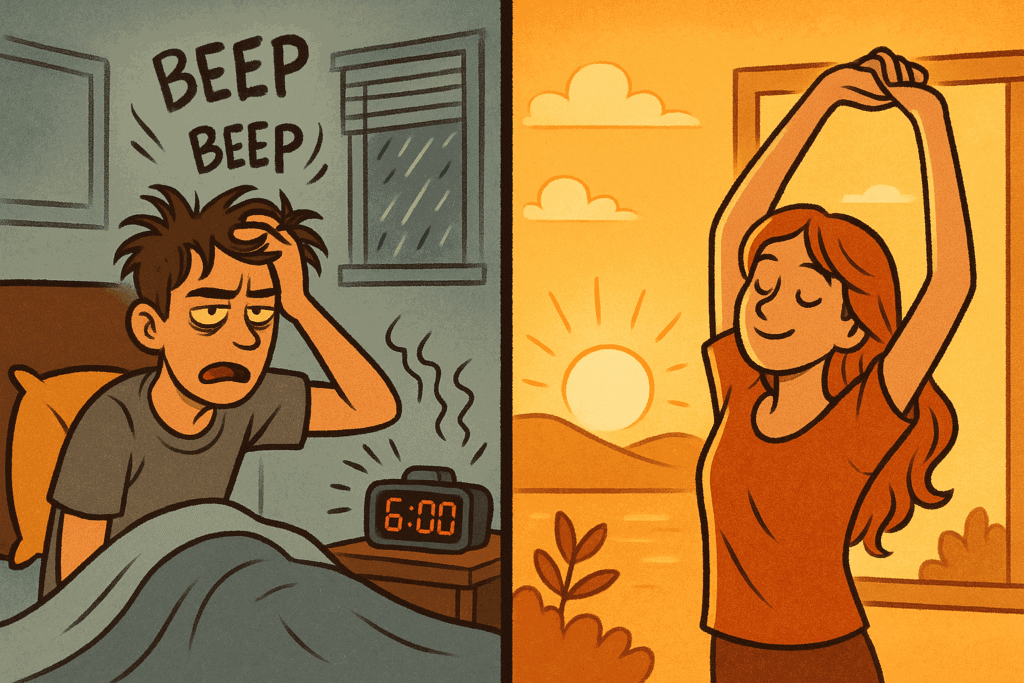
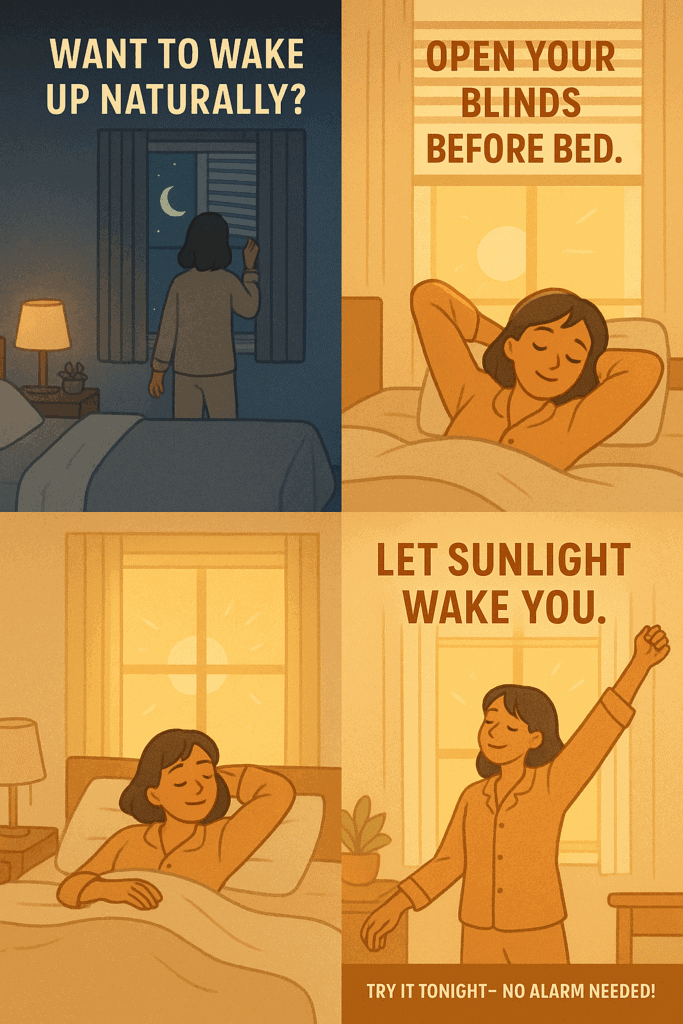
3. Let Natural Sunlight Wake You
Your brain responds strongly to natural light — especially in the morning.
☀️ Set yourself up for success:
- Open your blinds or curtains before sleeping.
- Place your bed near a window.
- If needed, use a sunrise alarm (a light-based wake-up device).
🌅 Bonus benefit:
Morning light boosts serotonin, which regulates mood and sleep.
4. Avoid Caffeine After 2–3 PM
That late-afternoon coffee may be ruining your sleep — even if you don’t feel it.
🚫 What to skip:
- Coffee
- Tea
- Soda
- Chocolate
- Energy drinks
🕒 Best practice:
Cut off all caffeine by 2–3 PM.
☕ Why it matters:
Caffeine has a half-life of 5–7 hours and can delay melatonin release, pushing back your sleep cycle.
5. Track Your Sleep for 7 Days
You can’t improve what you don’t measure.
📓 How to do it:
- Use a journal or app (like Sleep Cycle, Oura, or Fitbit).
- Record your bedtime, wake time, energy levels, and anything that disrupted sleep.
📊 What you’ll learn:
Patterns, habits, and how your body naturally responds to different routines. This awareness helps your brain sync to a stable rhythm.
6. Stay Away from Screens in Bed
Scrolling before bed? It’s hurting your mornings.
📵 What to avoid:
- Social media
- Streaming shows
- Bright notifications
🛏️ Better options:
- Read a paper book
- Meditate
- Stretch or do breathwork
📱 Why?
Blue light from screens suppresses melatonin and keeps your brain overstimulated — making it harder to fall asleep (and wake up on time).
7. Hydrate Before Bed (Yes, Seriously)
It might sound odd, but this works.
💧 What to do:
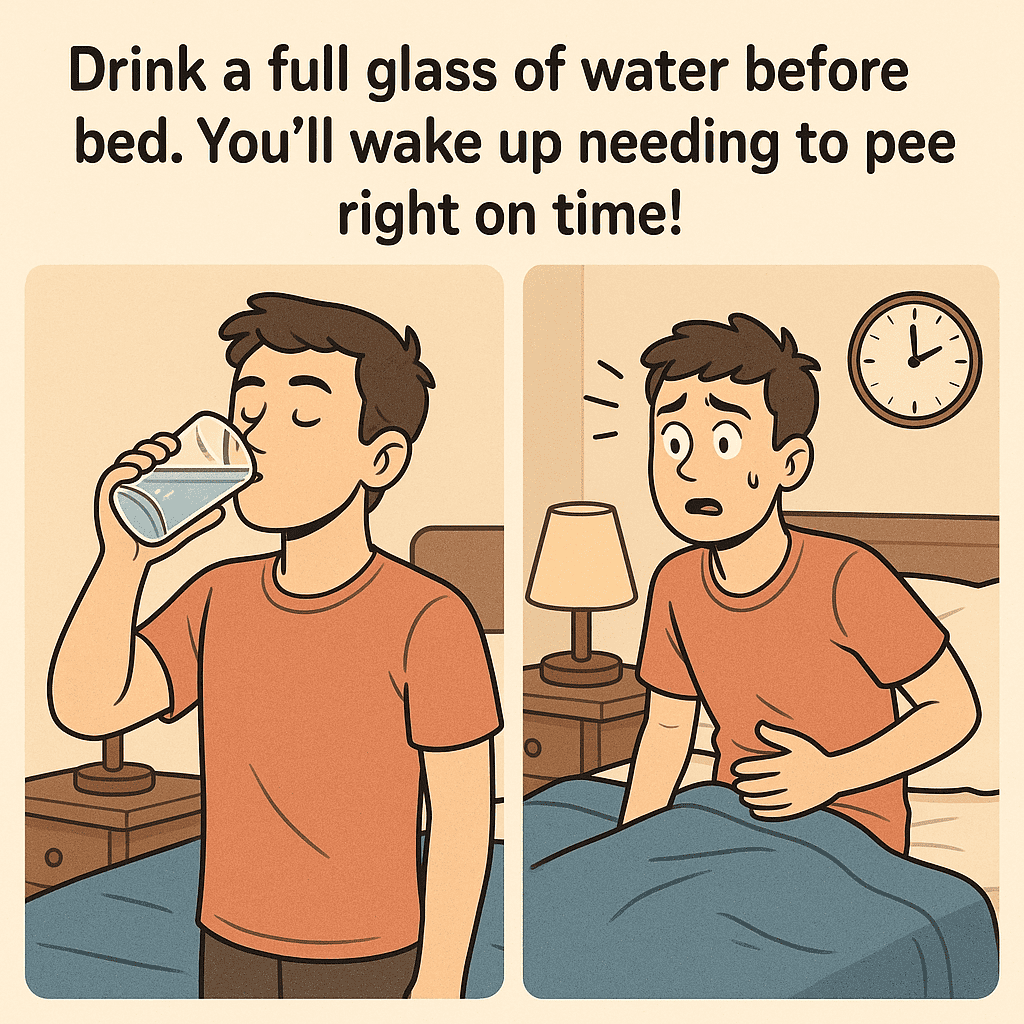
Drink a full glass of water about 30–60 minutes before bed.
🚽 Why it helps:
Your body will naturally wake you when it needs to go — often around the time you want to rise. It’s a harmless, natural “alarm” that gets you moving.
8. Get Moving Right After Waking
Avoid the trap of lying in bed.
🏃 First thing to do:
- Get out of bed immediately
- Stretch
- Splash cold water on your face
- Step outside for sunlight
🌞 Why it works:
Movement + light = a powerful wake-up combo. It helps anchor your new morning rhythm.
9. Avoid Heavy Meals Late at Night
Late-night meals can delay sleep and disrupt digestion.
🍔 Avoid eating heavy or spicy foods within 2–3 hours of bedtime.
🕰️ Your body needs that time to shift into rest mode.
🥗 Better alternatives:
If you’re hungry late at night, try a banana, yogurt, or herbal tea.
10. Practice Gratitude or Journaling Before Sleep
Stress delays sleep. A calm mind sleeps deeper — and wakes up easier.
📔 Try this nightly routine:
- Write 3 things you’re grateful for
- Or jot down tomorrow’s to-do list (to clear your mind)
😴 Why it works:
Reduces anxiety and signals your brain it’s time to power down.
🧠 Bonus: Train Your Brain With Mental Cues
The more you tell your brain it doesn’t need an alarm, the faster it adapts.
🧘 Try this mental mantra before sleeping:
“Tomorrow, I will wake up at 6:30 feeling rested and alert.”
🌀 Your subconscious starts internalizing it. It’s surprisingly effective.
✅ Summary: Wake Up Early Without Alarms (Checklist)
| Habit | Description |
|---|---|
| 🛏️ Consistent Schedule | Same bedtime and wake-up time daily |
| 🌙 Dim Lights | Reduce light 1 hour before bed |
| ☀️ Morning Sunlight | Let light in — open blinds |
| 🚫 No Caffeine | Cut off after 2–3 PM |
| 📊 Track Sleep | Use apps or journals |
| 📵 No Screens in Bed | Avoid digital distractions |
| 💧 Drink Water Before Bed | Wake up naturally needing to go |
| 🧘 Wind Down Mind | Journal or practice gratitude |
| 🚶♀️ Move on Wake | Stand, stretch, sunlight |
🏆 Final Thoughts
Waking up early without an alarm is not just a productivity hack — it’s a wellness upgrade. When you train your body to rise naturally, you eliminate morning anxiety and give your brain a fresh, calm start every day.
It takes commitment, consistency, and a bit of body-mind awareness. But once your rhythm is locked in, you’ll never need an alarm clock again.
